Yesterday, I stood in my kitchen at 5pm staring at an almost empty fridge. The non-veg section crying in silence. The tomatoes I bought just two days ago had turned soft. My husband demanded kebabs for iftar and I planned to make it special. I opened my phone to call the butcher and watched the total crossed seven hundred rupees just for basics. While this looked small, for a woman who is alreayd struggling with month end and Ramadhan expenses together, this is indeed a big calculation.
I disconnected the call, took a deep breath, and made aloo bonda with the potatoes sitting in my basket. Though he ate happily, the guilt of not giving him what he wanted haunted me.
That evening I learned what my grandmother always said barakah is not in how much you spend but in how you use what you have.
This is the kitchen jihad every Indian woman like me managing a household budget knows intimately. The panic when prices rise. The guilt when you cannot make everything fancy. The quiet pride when you somehow stretch a small shop into a full week of meals. And I understand this well for families who are bigger in number. The stress might be double.
So, today I want to share some tips I often saw my mother doing to give us the best and at the same time stay in budget during this holy month.
Tips to Manage Budget in Ramadhan 2026
Plan your weekly menu first. Write what you will cook for iftar and sehri. Check your kitchen before shopping. That half kilo chana in the corner? Use it. Building meals around what you have saves hundreds every week.
Shop at the local mandi not the supermarket. Bhindi is fresher and cheaper where vendors bargain. Take cash, know your prices. For online buys, check Zepto or Blinkit for Ramzan deals on dates and staples but compare rates first (sometimes, there are amazing offers here that last just for an hour).
Cook in bulk and freeze smart. Make a big batch of shami kebab or tikki on weekends. Freeze them. On busy days just fry and serve. Less stress, less last minute ordering from Swiggy Zomato which destroys your budget (wish I could follow this earlier so my husband would get to eat his favourite kebabs without sulking today).
Start iftar light and intentional. Dates and water first. Then fruit chaat with seasonal fruits. Papaya, apple, banana with lemon and chaat masala costs less than imported options. After that, people need less of the heavy stuff.
Control the samosa-pakora chaos. If you fry daily, the oil bill alone hurts. Make them twice a week. Other days go for grilled chicken tikka or chana chaat. Your health and wallet both thank you.
Track every single rupee. Keep a notes app entry. Write what you spent each day. Fifty here. Hundred there. When you see it in black and white, you think twice before adding that extra packet of biscuits.
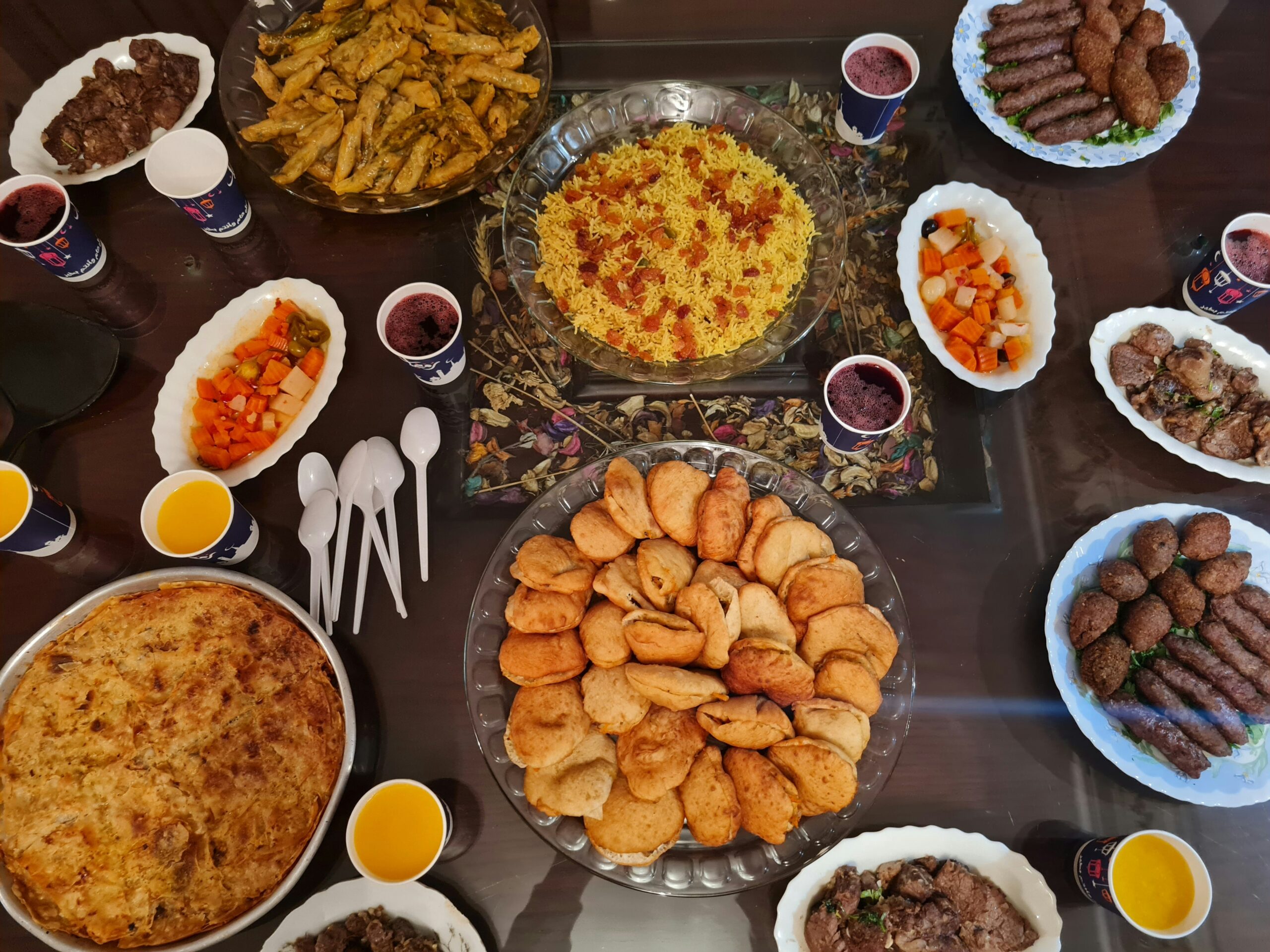
Ignore the Ramadan FOMO. Everyone posts aesthetic iftar tables. You do not need to keep up. Your iftar does not need seven dishes. It needs love and enough. The comparison is a thief. Do not let it steal your peace or your savings.
So tonight when you stand in your own kitchen tired and calculating, know this. Allah notices. The angels writing your intentions notice. And somewhere in stretching every rupee to feed the ones you love, you are earning reward you cannot see.
The food disappears. The budget holds. The barakah remains.



 using WordPress and
No responses yet